






THE PROBLEM
We exist to bridge the generational divide that separates institutions of influence from the emerging leaders who must ultimately navigate their legacies.
A System Out of Sync with Its Future
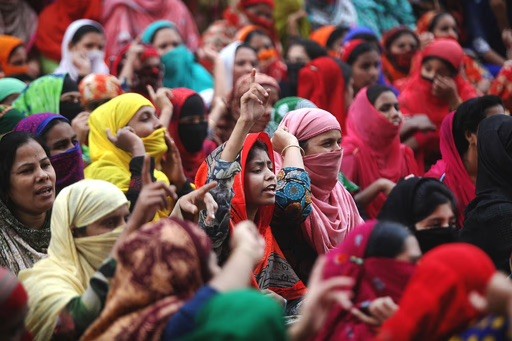
In Sub-Saharan Africa, the median age is 18.7 years, the youngest in the world. Yet the average age of political leaders is 62.
Contemporary policy institutions remain structurally dominated by older generations, even as younger cohorts are inheriting; and will disproportionately bear, the defining challenges of the twenty-first century. From artificial intelligence–driven economic disruption and geopolitical fragmentation to climate instability and systemic economic volatility, the decisions shaping the future are largely made by those least exposed to their long-term consequences. This misalignment has produced a growing legitimacy and effectiveness gap between policy leadership and lived reality.
Source: UN DESA World Population Prospects 2024; Mo Ibrahim Foundation Governance Index.


Stifled Imagination and Innovation
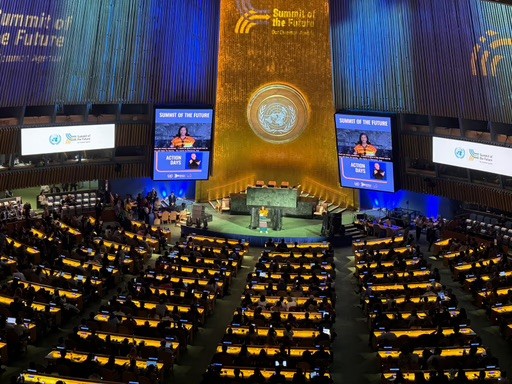
The Global South makes up ~85% of the world’s population, yet does not have a seat on the UN Security Council.
This gap is not merely generational, but intellectual. It constrains creativity, sidelines emerging perspectives, and prevents the policy ecosystem from drawing upon a critical reservoir of youthful imagination. Voices from the Global South, in particular, face dual marginalization; by age and by enduring systemic exclusion from global decision-making forums.
Source: UN Membership Data; statements by India’s UN Mission, 2024.
Systemic Youth Underrepresentation
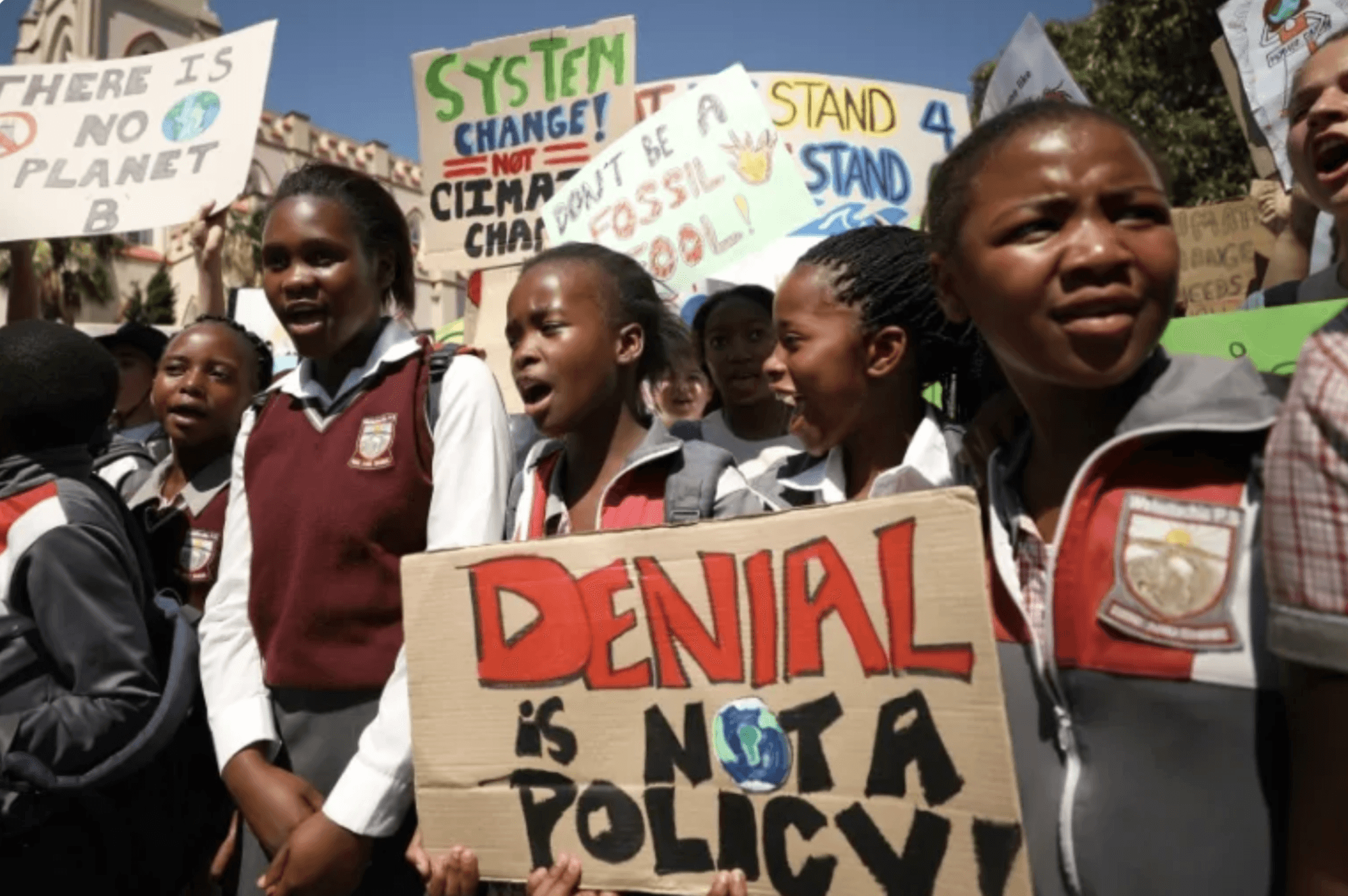
Only 4.7% of parliamentarians in Latin America and the Caribbean are under 30. Yet youth in LAC (15–29) make up about 25% of the total population, even after the “youth peak” has passed.
Although individuals under 30 comprise more than 40% of the global population, they remain largely absent from the architecture of policymaking. While young people are mobilized for activism and advocacy, they are seldom empowered to shape institutional agendas or participate meaningfully in the design of solutions.
Source: Latinobarómetro data cited by UNDP 2024.

POLICY TOPICS
Designing the Architecture of Tomorrow
At MESA, we recognize that the challenges of the 21st century cannot be solved in silos. To bridge the generational divide, we focus our research and advocacy on the four critical levers that will determine the trajectory of our shared future.