Pillars
Pillars
Pillars
POLICY TOPICS
POLICY TOPICS
Our work focuses on Planetary Resilience, Geostrategic Order, Technological Frontiers, and Social Impact. We apply a lens of Social Cohesion to ensure policies not only sustain systems but uplift people. More than a think tank, we are a blueprint for intergenerational stewardship. Designing the architecture of tomorrow.
Our work focuses on Planetary Resilience, Geostrategic Order, Technological Frontiers, and Social Impact. We apply a lens of Social Cohesion to ensure policies not only sustain systems but uplift people. More than a think tank, we are a blueprint for intergenerational stewardship. Designing the architecture of tomorrow.
Technological Frontiers & Human Agency
Technological Frontiers & Human Agency
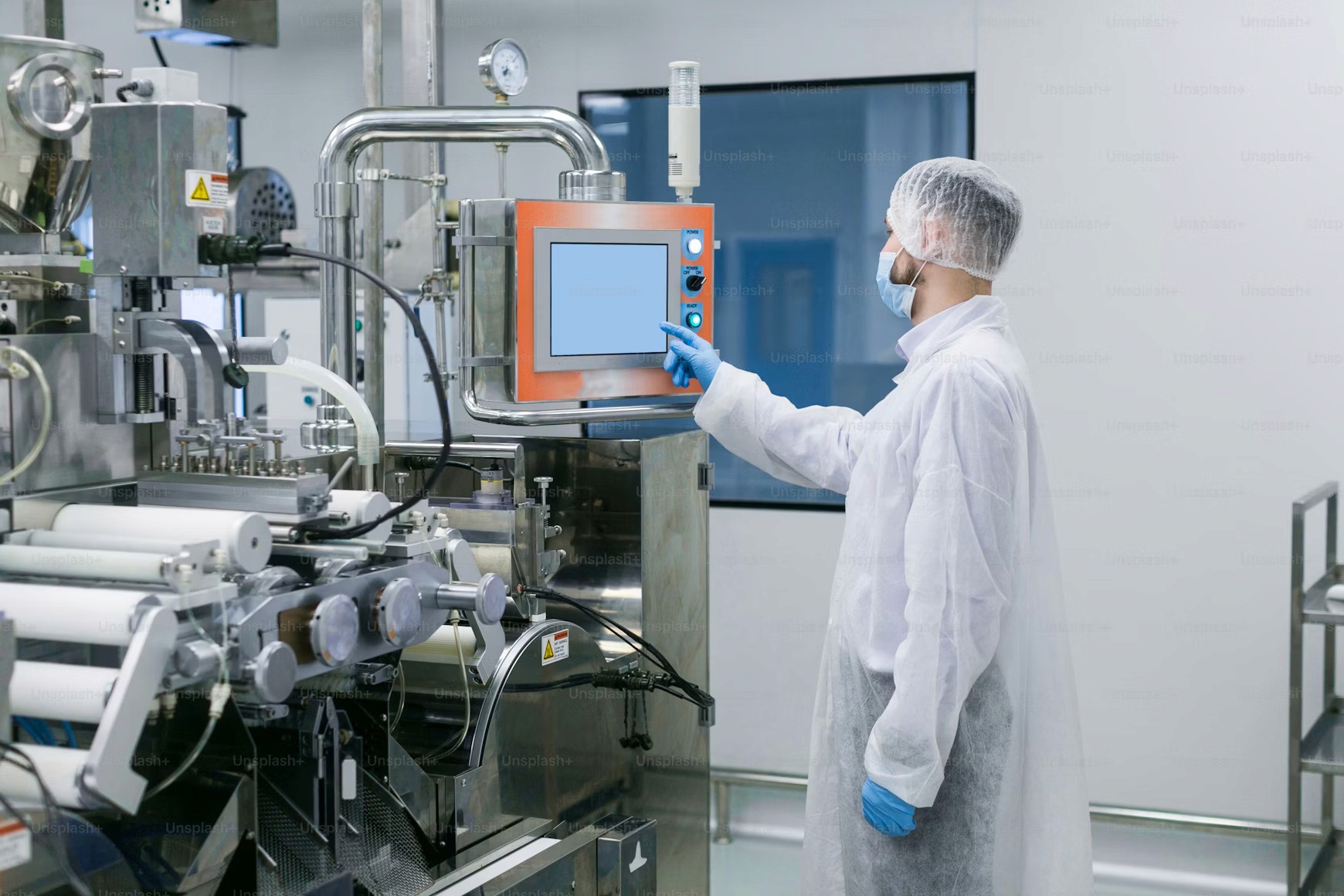
Technological Frontiers & Human Agency focuses on the exponential technologies reshaping how societies function, economies operate, and power is exercised. Artificial intelligence sits at the centre of this agenda, transforming labour markets, governance, public services, and daily life, while its development remains concentrated in a small number of countries and corporations. Without responsible governance, equitable access, and inclusive leadership, these technologies risk deepening inequality through algorithmic bias, uneven digital capacity, and unaccountable data extraction. MESA approaches technology through a global justice lens, prioritising evidence-based research to model future scenarios, identify emerging risks, and develop policy frameworks that ensure technology serves human agency rather than undermines it. By equipping young changemakers with knowledge, access, and platforms for influence, the Institute works to democratise participation in shaping the rules, safeguards, and ethical foundations of the digital age.
Technological Frontiers & Human Agency focuses on the exponential technologies reshaping how societies function, economies operate, and power is exercised. Artificial intelligence sits at the centre of this agenda, transforming labour markets, governance, public services, and daily life, while its development remains concentrated in a small number of countries and corporations. Without responsible governance, equitable access, and inclusive leadership, these technologies risk deepening inequality through algorithmic bias, uneven digital capacity, and unaccountable data extraction. MESA approaches technology through a global justice lens, prioritising evidence-based research to model future scenarios, identify emerging risks, and develop policy frameworks that ensure technology serves human agency rather than undermines it. By equipping young changemakers with knowledge, access, and platforms for influence, the Institute works to democratise participation in shaping the rules, safeguards, and ethical foundations of the digital age.


Social Impact
Social Impact
Social Cohesion & Equity is not treated as a standalone vertical, but as the unifying lens through which all MESA work is evaluated. Across the world, particularly in the Global South, social systems are under strain, marked by youth unemployment, fragile healthcare infrastructure, educational gaps, and governance models that prioritise short-term fixes over long-term structural transformation. Climate disruption, technological change, and geopolitical competition all carry profound social consequences that shape trust, inclusion, and opportunity within societies. MESA embeds social justice at the core of its policy agenda, ensuring that every recommendation—whether on AI governance, climate resilience, or global institutions—addresses equity in tangible and measurable ways. Through research, dialogue, and engagement with grassroots movements and next-generation leaders, the Institute seeks to design policies and innovations that strengthen social cohesion and deliver lasting structural change. As an institute, emphasize the need for policies and initiatives that bring justice to people’s lives in tangible and measurable ways. Through research and dialogue, MESA seeks to design innovations and policies that can create a more equitable landscape.
Social Cohesion & Equity is not treated as a standalone vertical, but as the unifying lens through which all MESA work is evaluated. Across the world, particularly in the Global South, social systems are under strain, marked by youth unemployment, fragile healthcare infrastructure, educational gaps, and governance models that prioritise short-term fixes over long-term structural transformation. Climate disruption, technological change, and geopolitical competition all carry profound social consequences that shape trust, inclusion, and opportunity within societies. MESA embeds social justice at the core of its policy agenda, ensuring that every recommendation—whether on AI governance, climate resilience, or global institutions—addresses equity in tangible and measurable ways. Through research, dialogue, and engagement with grassroots movements and next-generation leaders, the Institute seeks to design policies and innovations that strengthen social cohesion and deliver lasting structural change. As an institute, emphasize the need for policies and initiatives that bring justice to people’s lives in tangible and measurable ways. Through research and dialogue, MESA seeks to design innovations and policies that can create a more equitable landscape.



Planetary Resilience & Resource Security
Planetary Resilience & Resource Security
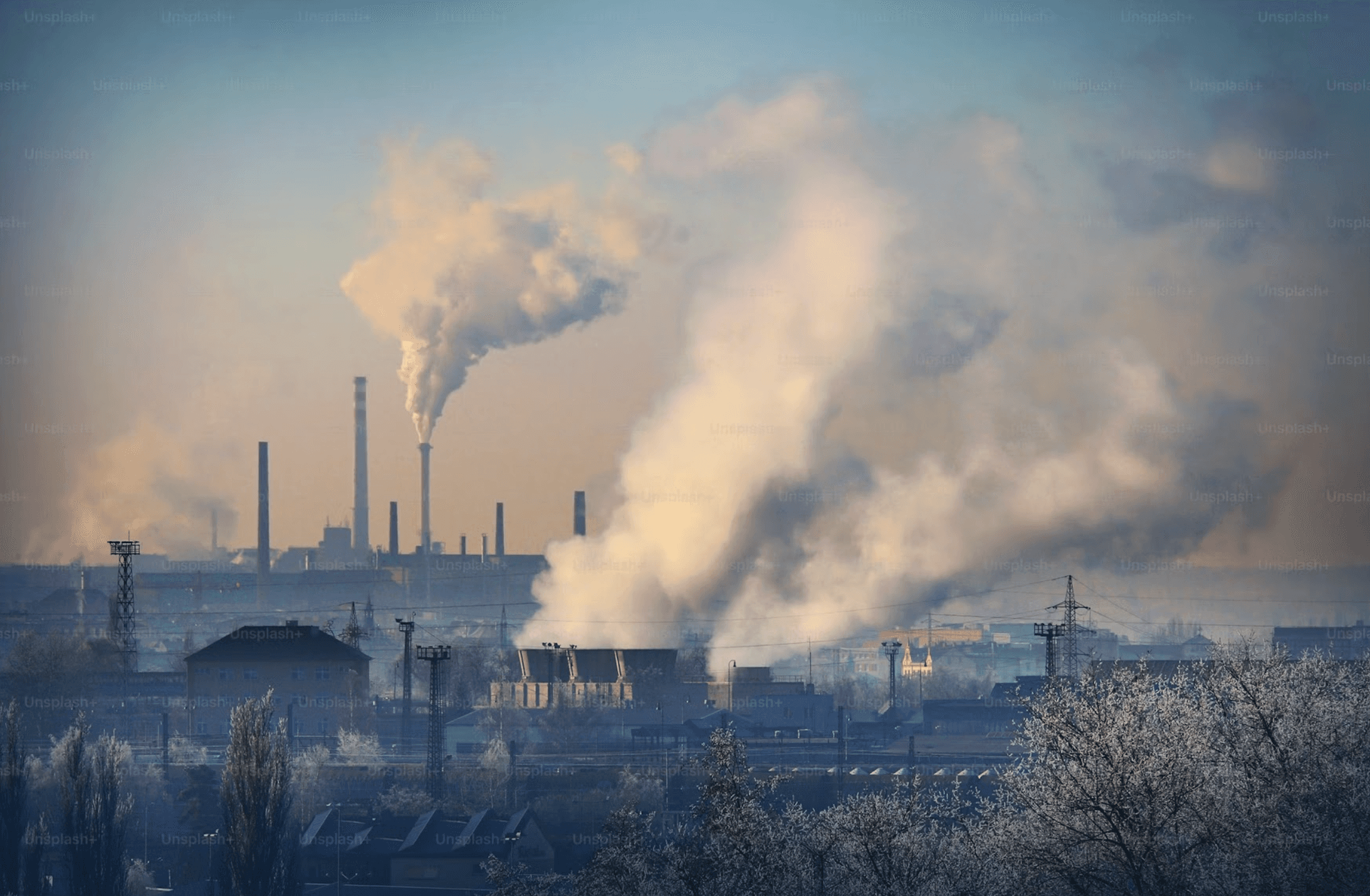
Planetary Resilience & Resource Security addresses the physical and ecological foundations upon which global stability, economic development, and human security depend. Climate change is treated not as a siloed environmental issue, but as a systemic force reshaping agricultural productivity, migration patterns, public health, infrastructure resilience, and national security. Its impacts are disproportionately concentrated in regions least responsible for global emissions—small island states, climate-fragile agricultural zones, and rapidly urbanising economies across the Global South. MESA advances an interdisciplinary approach to climate and resource policy that moves beyond mitigation toward adaptation, resilience, and regenerative economic models. Through research, dialogue, and youth engagement, the Institute prepares emerging leaders to confront environmental risk, design antifragile systems for a destabilising planet, and advocate for cross-border solutions that secure food, water, and energy systems for the next century while enabling a just transition for developing economies.
Planetary Resilience & Resource Security addresses the physical and ecological foundations upon which global stability, economic development, and human security depend. Climate change is treated not as a siloed environmental issue, but as a systemic force reshaping agricultural productivity, migration patterns, public health, infrastructure resilience, and national security. Its impacts are disproportionately concentrated in regions least responsible for global emissions—small island states, climate-fragile agricultural zones, and rapidly urbanising economies across the Global South. MESA advances an interdisciplinary approach to climate and resource policy that moves beyond mitigation toward adaptation, resilience, and regenerative economic models. Through research, dialogue, and youth engagement, the Institute prepares emerging leaders to confront environmental risk, design antifragile systems for a destabilising planet, and advocate for cross-border solutions that secure food, water, and energy systems for the next century while enabling a just transition for developing economies.


Geostrategic Order & Global Governance
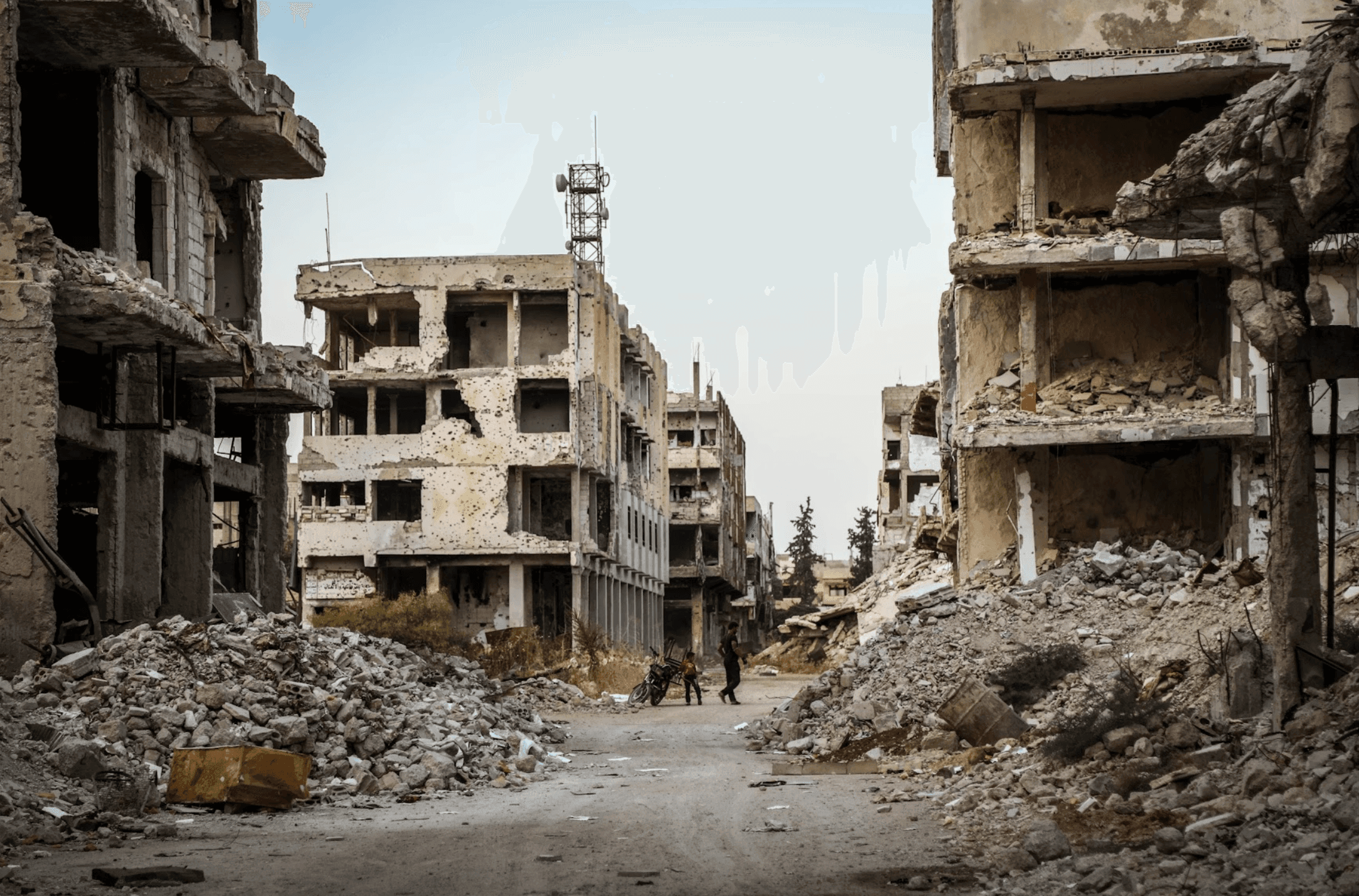
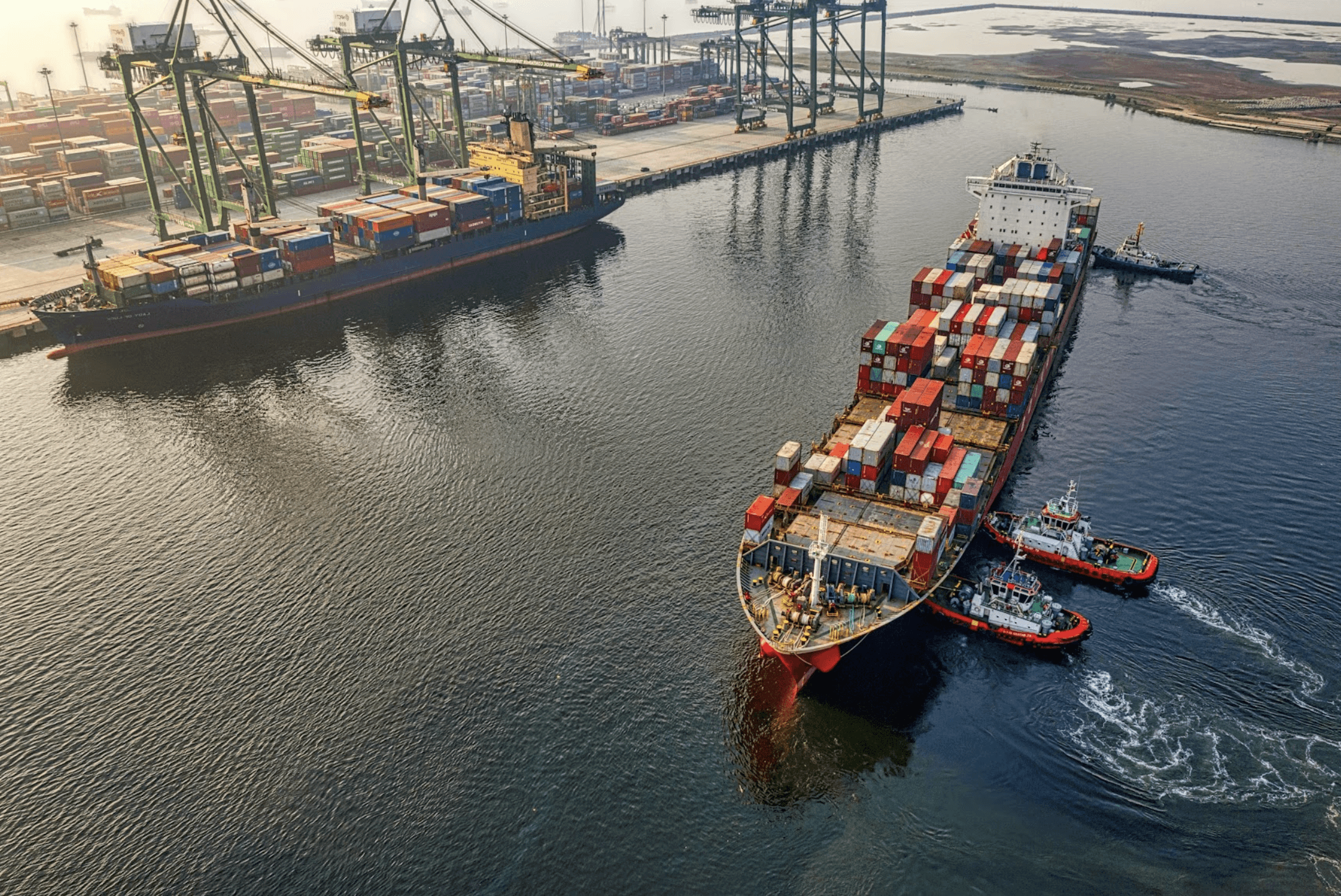
Geostrategic Order & Global Governance examines the transformation of the international system into an increasingly fragmented “archipelago world,” characterised not by seamless integration but by compartmentalised spheres of influence. In this emerging paradigm, globalisation no longer serves as a guarantor of stability; instead, flows of capital, technology, talent, and goods are increasingly weaponised through supply chains in an intensifying contest between major powers and a growing cohort of geopolitical pivot states. This structural shift—accelerated by the Global Financial Crisis, Brexit, escalating US–China competition, the COVID-19 pandemic, and rising military conflict—has reshaped assumptions about sovereignty, economic interdependence, and strategic competitiveness. MESA interrogates how global institutions, alliances, and governance frameworks must adapt in this environment, while foregrounding the role of younger policy thinkers in developing new approaches to cooperation, risk management, and multilateralism suited to a multipolar and contested world.
Geostrategic Order & Global Governance examines the transformation of the international system into an increasingly fragmented “archipelago world,” characterised not by seamless integration but by compartmentalised spheres of influence. In this emerging paradigm, globalisation no longer serves as a guarantor of stability; instead, flows of capital, technology, talent, and goods are increasingly weaponised through supply chains in an intensifying contest between major powers and a growing cohort of geopolitical pivot states. This structural shift—accelerated by the Global Financial Crisis, Brexit, escalating US–China competition, the COVID-19 pandemic, and rising military conflict—has reshaped assumptions about sovereignty, economic interdependence, and strategic competitiveness. MESA interrogates how global institutions, alliances, and governance frameworks must adapt in this environment, while foregrounding the role of younger policy thinkers in developing new approaches to cooperation, risk management, and multilateralism suited to a multipolar and contested world.

WE ARE THE BLUEPRINT