







If you don’t have a seat at the table,
Bridging the vision of tomorrow with the
power of today.
MESA is the table for the next generation.
Adam de Picot
Executive Director
If you don’t have a seat at the table,
Bridging the vision of tomorrow with the
power of today.
MESA is the table for the next generation.
Adam de Picot
Founder, Executive Director




MESA INSTITUTE FOR GLOBAL IMPACT
A platform for next-generation voices to shape, challenge, and enrich the global policy conversation.
MESA INSTITUTE FOR GLOBAL IMPACT
A platform for next-generation voices to shape, challenge, and enrich the global policy conversation.
MESA INSTITUTE FOR GLOBAL IMPACT
A platform for next-generation voices to shape, challenge, and enrich the global policy conversation.



MESA Forum
Intergenerational, issue-
specific convenings with rotating regional
spotlights.
MESA Forum
Intergenerational, issue-
specific convenings with rotating regional
spotlights.
MESA Forum
Intergenerational, issue-
specific convenings with rotating regional
spotlights.

THE PROBLEM
We exist to bridge the generational divide that separates institutions of influence from the emerging leaders who must ultimately navigate their legacies.
A System Out of Sync with Its Future
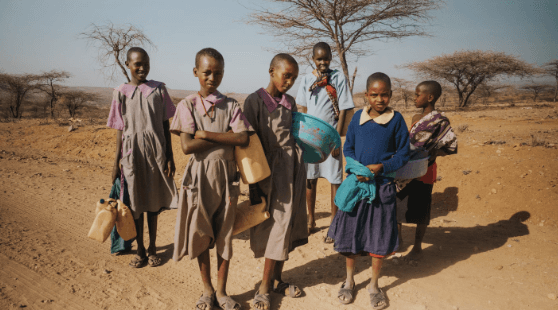
In Sub-Saharan Africa, the median age is 18.7 years, the youngest in the world. Yet the average age of political leaders is 62.
Contemporary policy institutions remain structurally dominated by older generations, even as younger cohorts are inheriting; and will disproportionately bear, the defining challenges of the twenty-first century. From artificial intelligence–driven economic disruption and geopolitical fragmentation to climate instability and systemic economic volatility, the decisions shaping the future are largely made by those least exposed to their long-term consequences. This misalignment has produced a growing legitimacy and effectiveness gap between policy leadership and lived reality.
Contemporary policy institutions remain structurally dominated by older generations, even as younger cohorts are inheriting; and will disproportionately bear, the defining challenges of the twenty-first century. From artificial intelligence–driven economic disruption and geopolitical fragmentation to climate instability and systemic economic volatility, the decisions shaping the future are largely made by those least exposed to their long-term consequences. This misalignment has produced a growing legitimacy and effectiveness gap between policy leadership and lived reality.
Source: UN DESA World Population Prospects 2024; Mo Ibrahim Foundation Governance Index.

Stifled Imagination and Innovation
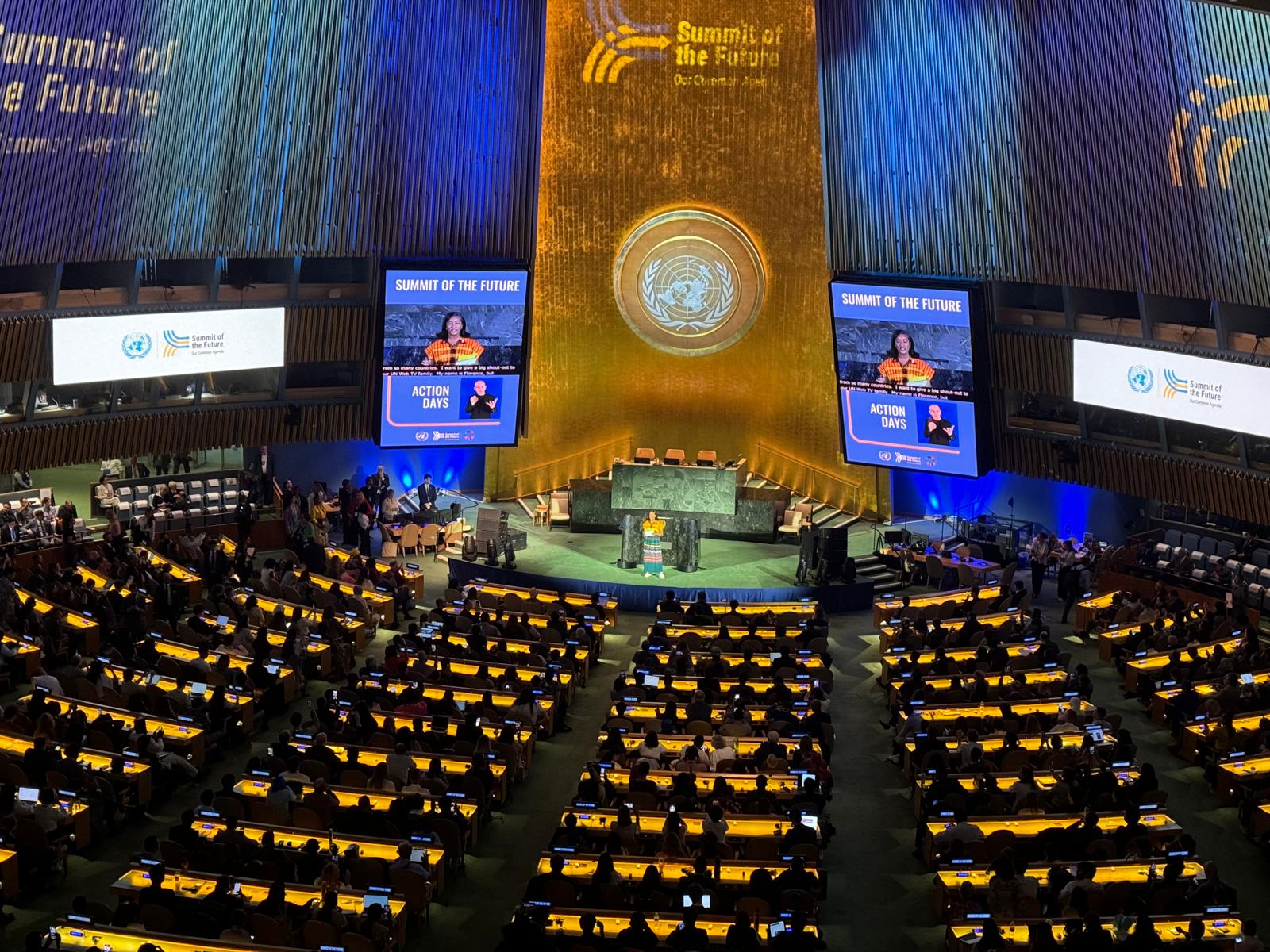
The Global South makes up ~85% of the world’s population, yet does not have a seat on the UN Security Council.
This gap is not merely generational, but intellectual. It constrains creativity, sidelines emerging perspectives, and prevents the policy ecosystem from drawing upon a critical reservoir of youthful imagination. Voices from the Global South, in particular, face dual marginalization; by age and by enduring systemic exclusion from global decision-making forums.
This gap is not merely generational, but intellectual. It constrains creativity, sidelines emerging perspectives, and prevents the policy ecosystem from drawing upon a critical reservoir of youthful imagination. Voices from the Global South, in particular, face dual marginalization; by age and by enduring systemic exclusion from global decision-making forums.
Source: UN Membership Data; statements by India’s UN Mission, 2024.
Systemic Youth Underrepresentation
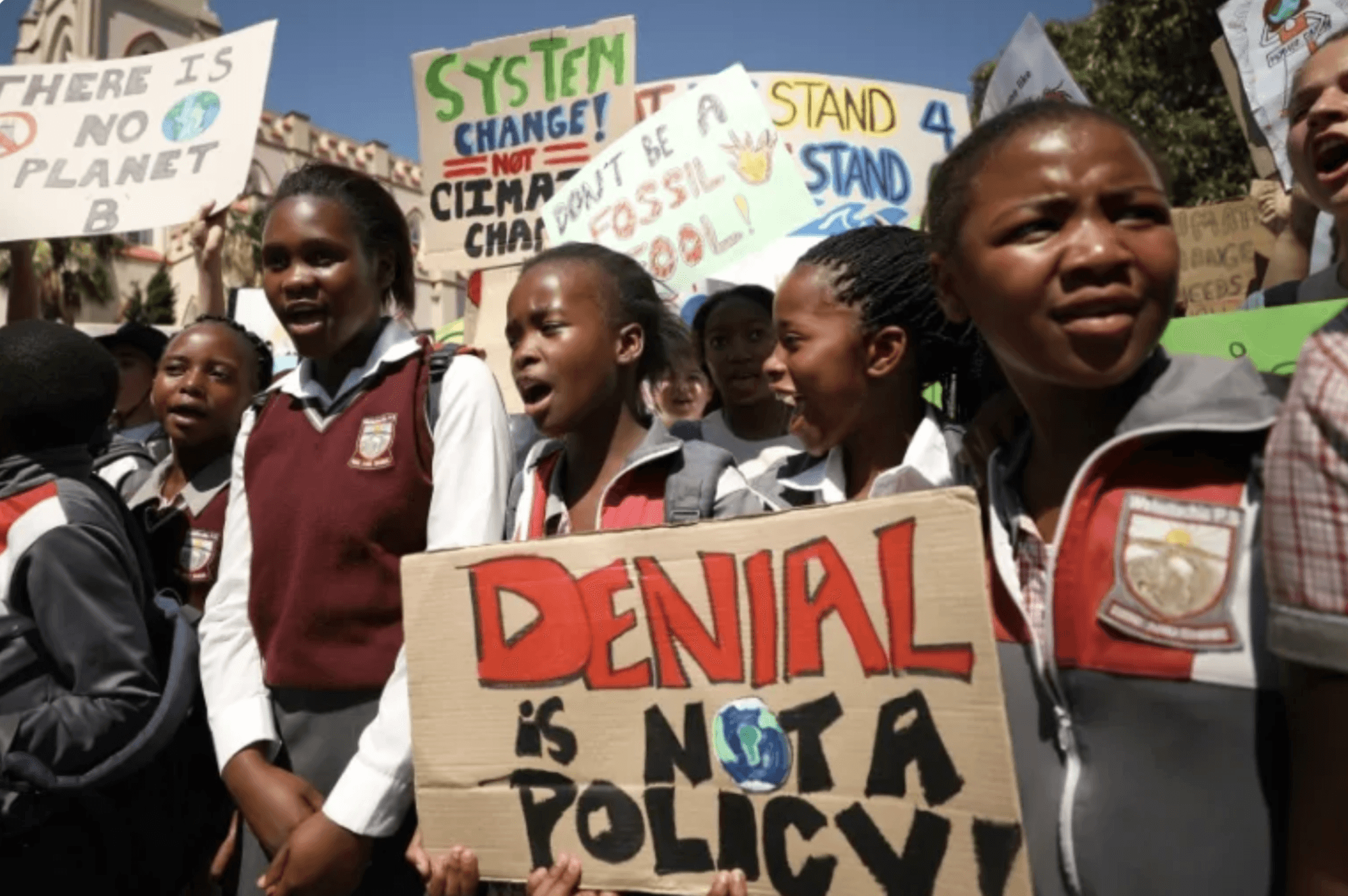
Only 4.7% of parliamentarians in Latin America and the Caribbean are under 30. Yet youth in LAC (15–29) make up about 25% of the total population, even after the “youth peak” has passed.
Although individuals under 30 comprise more than 40% of the global population, they remain largely absent from the architecture of policymaking. While young people are mobilized for activism and advocacy, they are seldom empowered to shape institutional agendas or participate meaningfully in the design of solutions.
Although individuals under 30 comprise more than 40% of the global population, they remain largely absent from the architecture of policymaking. While young people are mobilized for activism and advocacy, they are seldom empowered to shape institutional agendas or participate meaningfully in the design of solutions.
Source: Latinobarómetro data cited by UNDP 2024.
PHILOSOPHY
PHILOSOPHY
A non-partisan think tank dedicated to harnessing and projecting the voices of today’s youth.
A non-partisan think tank dedicated to harnessing and projecting the voices of today’s youth.
A non-partisan think tank dedicated to harnessing and projecting the voices of today’s youth.
Our work focuses on Planetary Resilience, Geostrategic Order, Technological Frontiers, and Social Impact. We apply a lens of Social Cohesion to ensure policies not only sustain systems but uplift people. More than a think tank, we are a blueprint for intergenerational stewardship.
Our work focuses on Planetary Resilience, Geostrategic Order, Technological Frontiers, and Social Impact. We apply a lens of Social Cohesion to ensure policies not only sustain systems but uplift people. More than a think tank, we are a blueprint for intergenerational stewardship.
POLICY TOPICS
Designing the Architecture of Tomorrow
At MESA, we recognize that the challenges of the 21st century cannot be solved in silos. To bridge the generational divide, we focus our research and advocacy on the four critical levers that will determine the trajectory of our shared future.
Social Impact
Social impact is central to MESA’s mission as the thread that connects all of the major social and political issues facing our world today.
Planetary Resilience
MESA promotes an interdisciplinary environmental policy approach, innovating beyond current governance for a destabilizing planet.
Global Governance
The global order is transforming into an "archipelago world," marked by fragmented spheres of influence rather than seamless integration.
Technological Frontiers
MESA empowers young changemakers with knowledge and access to influence AI policies, innovations, and safeguards globally.
Social Impact
Social impact is central to MESA’s mission as the thread that connects all of the major social and political issues facing our world today.
Planetary Resilience
MESA promotes an interdisciplinary environmental policy approach, innovating beyond current governance for a destabilizing planet.
Global Governance
The global order is transforming into an "archipelago world," marked by fragmented spheres of influence rather than seamless integration.
Technological Frontiers
MESA empowers young changemakers with knowledge and access to influence AI policies, innovations, and safeguards globally.
OUR VOICES
OUR VOICES
Our talented pool of early-career scholars and analysts, and strategists
Our talented pool of early-career scholars and analysts, and strategists
Get to know the voices behind the insights. Our talented team of authors brings a wealth of experience, creativity, and research to every brief.
Get to know the voices behind the insights. Our talented team of authors brings a wealth of experience, creativity, and research to every brief.


RECENT COMMENTARY
RECENT COMMENTARY
Explore our most recent in-depth, well-researched papers for a fresh perspectives
Explore our most recent in-depth, well-researched papers for a fresh perspectives
Read through briefs and memos ensuring that the policies of tomorrow do not just sustain systems, but uplift the people within them
Read through briefs and memos ensuring that the policies of tomorrow do not just sustain systems, but uplift the people within them
Policy Commentary
Social Impact
March 3, 2026
A New Approach to Sanctions
Policy Paper
Technological Frontiers
March 3, 2026
Education & Tech in Latin America
Social Impact
Policy Paper
February 20, 2026
Nigeria’s Multidimensional Security Crisis: Strategic Failures, Human Security Gaps, and Policy Pathways
Social Impact
Policy Paper
February 19, 2026