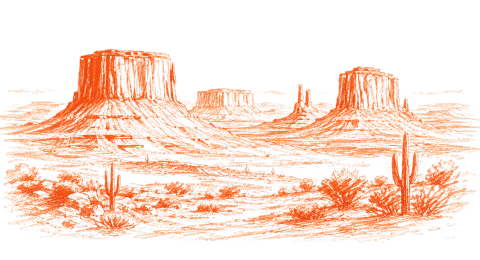
What is a MESA?
noun me·sa | \ ˈmā-sə \
1. A flat-topped, elevated landform with steep sides, standing prominently above the surrounding landscape.
2. From the Spanish and Latin root word for "table."






THEORY OF CHANGE
MESA identifies, develops, and connects the next generation’s decision-makers, building dialogue between voices in the Global South and Global North to shape major institutional decisions worldwide.

THE PROBLEM


Excluded From the Room, Central to the Agenda
Nations from the Global South make up more than two-thirds of UN membership.
Not one African country has ever held a permanent seat on the Security Council — despite African conflicts accounting for more than half the Council's meetings and 70% of its resolutions. By 2045, Africa alone will be home to 2.3 billion people, a quarter of the world's population, with no guarantee its standing in the body that governs global security will have changed at all.
Source: Carnegie Endowment for International Peace, UN Security Council Reform; UN press coverage, Aug. 2024.
Mobilized, Not Empowered
In Latin America and the Caribbean, people aged 15–29 make up about a quarter of the population.
They hold under 5% of parliamentary seats. Across the Global South more broadly, youth are recruited for protest and turnout, rarely for drafting — the pipelines that would put them in office (lowered eligibility ages, youth quotas, candidacy reform) exist in only a handful of countries that have built them deliberately. Senegal's youth share of parliament jumped from 15.2% to 31.5% in its last election; Ecuador's did the same after a 2022 law mandated that a quarter of candidates be young adults. The barrier elsewhere isn't a law of nature — it's a choice not yet made.
Source: Latinobarómetro data cited by UNDP 2024; IPU, Youth Participation in National Parliaments 2025/2026.

THE PEOPLE BEHIND THE THINK TANK