Mariana

Mariana

San Salvador, El Salvador

San Salvador, El Salvador

With a strong interest in research, public policy, and global cooperation, she aims to drive impactful solutions in economics, policy analysis, and international relations.

With a strong interest in research, public policy, and global cooperation, she aims to drive impactful solutions in economics, policy analysis, and international relations.

Cordero Vargas

Cordero Vargas

  • Policy Paper

    Technological Frontiers

Hi there!

Hi there!

Born and raised in El Salvador, Mariana holds a degree in Economics and Business from Escuela Superior de Economía y Negocios (ESEN). Her academic and professional experiences have shaped her passion for economic intelligence, policy-making, and multilateral cooperation. She has worked as a Teaching Assistant at ESEN and as an Economic Intelligence and Policy Intern at the Ministry of Economy of El Salvador. Additionally, she has interned with the Permanent Mission of El Salvador to the UN, contributing to negotiations and humanitarian resolution analysis. With a strong interest in research, public policy, and global cooperation, she aims to drive impactful solutions in economics, policy analysis, and international relations.

My works

10 min read
Education & Tech in Latin America

Education & Tech in Latin America

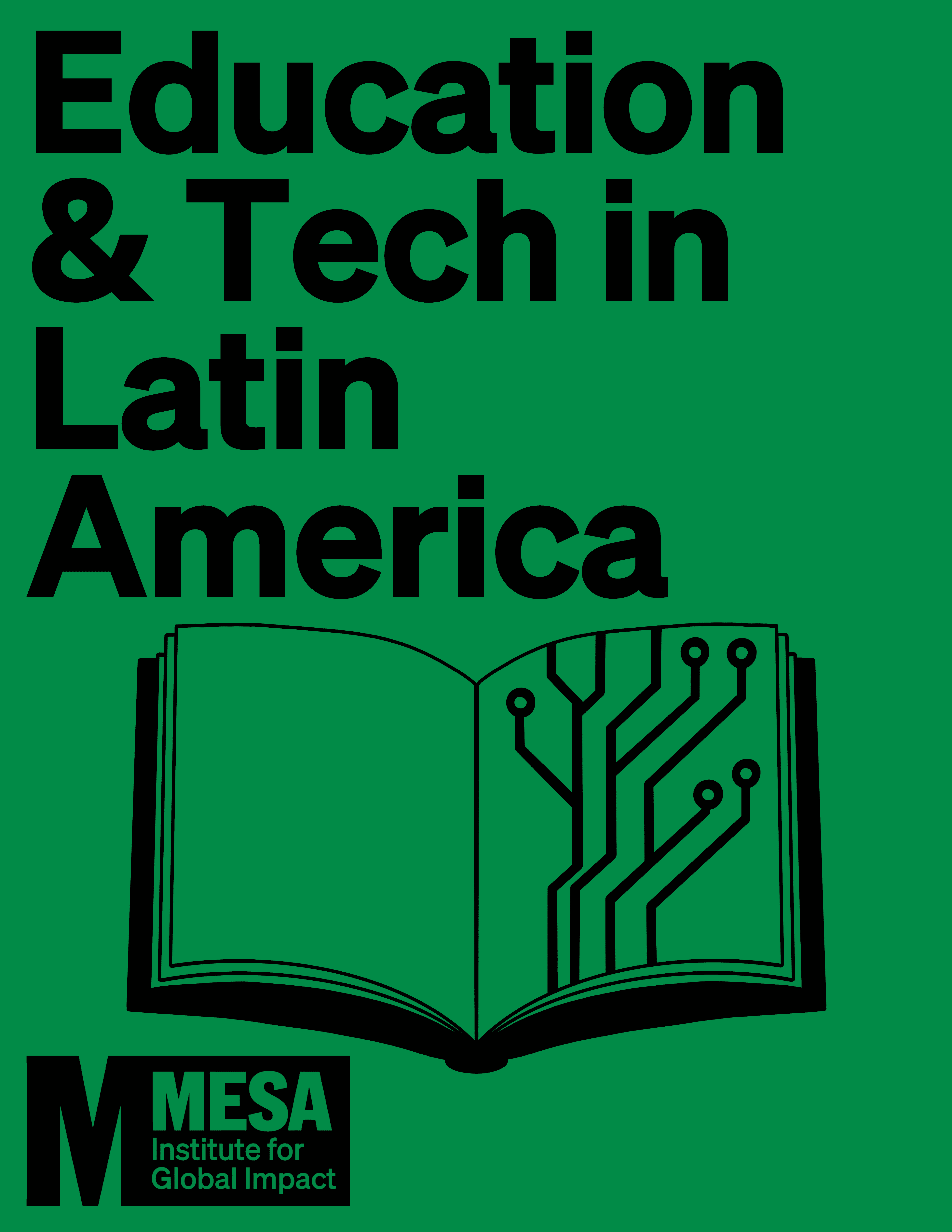
This research analyzes the effects of the implementation of educational technology (EdTech) on Latin American competitiveness from a qualitative approach. A literature review is conducted along three axes: the strengthening of human capital; innovation and economic dynamism; and the improvement of employability. The theoretical framework explains the strengthening of human capital through three variables: educational accessibility, educational quality, and skills development. The findings show that EdTech contributes to regional competitiveness by fostering technical/digital, cognitive, and soft skills aligned with the demands of a technological labor market. However, structural challenges such as limited technological infrastructure, socioeconomic inequality, and insufficient innovation-oriented policies persist. Addressing these barriers requires coordinated efforts among governments, the private sector, and educational institutions to promote inclusive digitalization and strengthen human capital across the region.

This research analyzes the effects of the implementation of educational technology (EdTech) on Latin American competitiveness from a qualitative approach. A literature review is conducted along three axes: the strengthening of human capital; innovation and economic dynamism; and the improvement of employability. The theoretical framework explains the strengthening of human capital through three variables: educational accessibility, educational quality, and skills development. The findings show that EdTech contributes to regional competitiveness by fostering technical/digital, cognitive, and soft skills aligned with the demands of a technological labor market. However, structural challenges such as limited technological infrastructure, socioeconomic inequality, and insufficient innovation-oriented policies persist. Addressing these barriers requires coordinated efforts among governments, the private sector, and educational institutions to promote inclusive digitalization and strengthen human capital across the region.